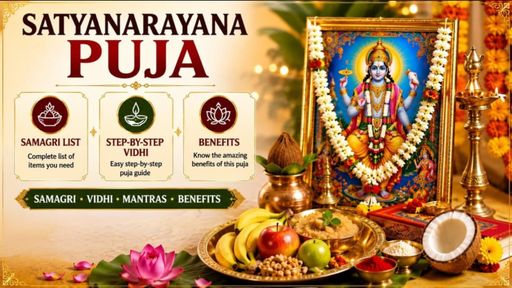
There's a good chance if you were raised in a Hindu household you were doing Satyanarayana Puja before you even fully understood the reason for it. Perhaps you were one of the kids tuning in out of the side of your head, patiently waiting for the prasadam. Or perhaps you're the one who is the adult now - arranging the chowki, the ones trying to be sure everything is just as it should be. However you came to it, it's quite clear there's a special quality that continues to draw families to the puja. And once you understand the principles behind it, that's much easier to appreciate.
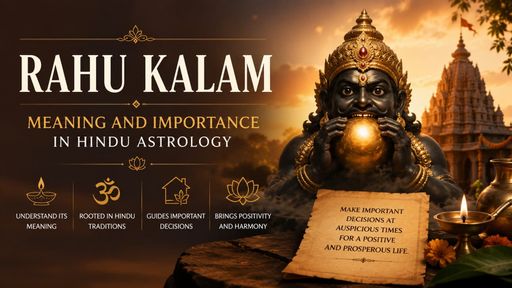
Rahu Kalam is a common time that many observe within the Hindu traditions and Vedic astrology. Most people within India would avoid engaging in any vital activity or ventures during this specific period. It is generally believed to be an inauspicious time. Although this practice has been carried out for centuries, the importance is still carried onto modern times in determining auspicious timings for ceremonial events, journeys, monetary affairs, and other religious matters.
By grasping the essence of Rahu Kalam, an individual can begin to understand why this specific time block is so integral to the Hindu belief system. The same is also tied into concepts like Shubh Muhurat and Yamagandam, that are often kept in mind when determining a favorable time.
This guide aims to enlighten you on what Rahu Kalam essentially is, why it is important in Vedic astrology, how it's different from Yamagandam, and some frequent myths and beliefs associated with this.
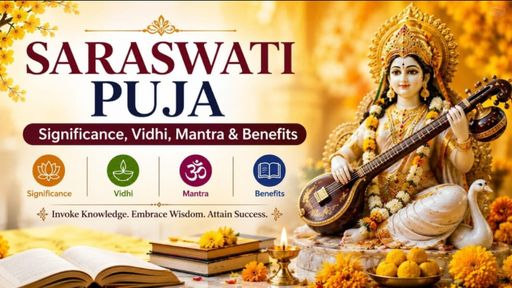
Transitioning from winter into spring is a busy time for an Indian family as they start to prepare for one of the large festivals in the Hindu calendar. The worship of Sarswati, the Hindu Goddess of wisdom, music and knowledge, is called Saraswati Puja and has particular significance for students, teachers, artists, and musicians.
Either while growing up you may have seen your grandmother placing books and writing pads at the feet of Sarswati, or this year you might be preparing to perform your first puja, This article is going to provide you the information you need about this festival, the corresponding rituals, and mantras.
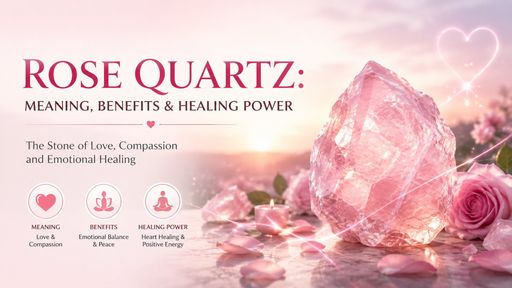
Without a doubt rose quartz is the most popular crystal around the world. The blush pink tone and healing qualities have won over the hearts of spiritually motivated souls, crystal experts and interior designers around the world for centuries. If you're a beginner or an expert with crystal knowledge, exploring rose quartz meaning and their powerful healing benefits and uses might be your key to deeper self awareness and emotional harmony, opening the door to universal love. We’ve got you covered here – from geological origins to uses in everyday life!
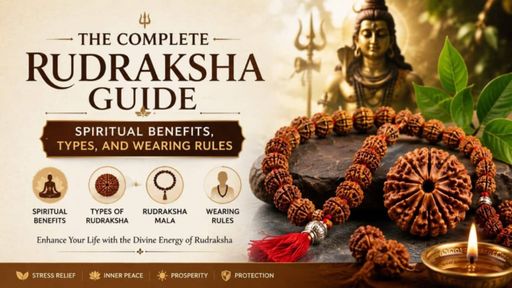
There is a reason why people stop and hold a Rudraksha bead in their hand when it is presented to them. When you can feel the texture in your palm and realize its uniqueness it doesn’t take much convincing why it is regarded as a precious object for so long. Many people who have been wearing Rudraksha for years speak of peace and stability though of course this will be unique for each individual. But most of the ‘guides’ about Rudraksha start in the wrong place - and talk about myths before even considering why someone living in the modern day might want to wear one. So here goes.
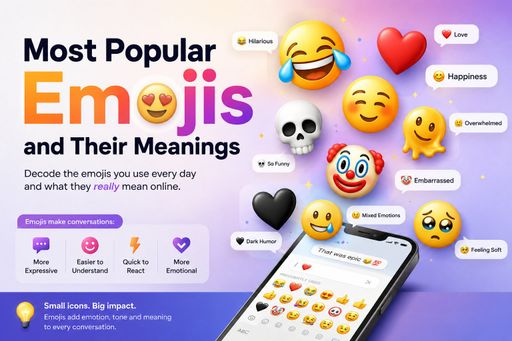
Think about the last few messages you sent today. There’s a pretty good chance at least one emoji showed up somewhere in the conversation.
That’s just how online communication works now.
People use emojis almost without thinking anymore. A laughing face replaces a full reply. A heart reacts faster than words. Even random symbols somehow make complete sense depending on the situation.
And honestly, it’s kind of interesting how much these tiny icons changed internet conversations.
Years ago, emojis were just simple additions to text messages. Now they carry emotions, sarcasm, jokes, reactions, and even internet slang. Some emojis still mean exactly what they originally meant. Others completely changed because of social media culture.
Take the 💀 skull emoji for example.
Technically, it represents death.
But online? Most people now use it when something feels painfully funny or unbelievably embarrassing.
That’s the strange thing about internet culture meanings evolve constantly.
In this guide, we’re breaking down the most popular emojis and their meanings, including the hidden meanings behind trending emojis people use daily on Instagram, TikTok, WhatsApp, Snapchat, and other social media platforms.


Terms of use | Privacy